
Costs & funding
How much does a commercial hydroponic farm cost in India?
There is no honest 'per acre' price for a hydroponic farm. Here are the six things that actually set the budget — and how to get a number you can bank on.
· 4 min read
Precision hydroponics designed for Indian growing conditions.
Agri-entrepreneurs, hospitality groups, institutional food services and existing growers looking to modernise.
Open-field farming struggles with erratic weather, pest pressure and water scarcity. Off-the-shelf hydroponic kits rarely account for Indian climate, power availability or local crop economics.
We publish honest cost drivers instead of a headline "starts at" number. Every project is priced from a real site brief.
We understand your commercial objectives, target crops, location and budget. We assess feasibility before design work begins.
On-site survey of soil, water quality, power, existing structures, microclimate and logistics. Deliverable: a site-suitability report.
Structural, hydroponic, climate-control and automation design tailored to your crop plan and Indian conditions.
Managed build with our engineering team. System calibration, first-planting protocols and quality checks before hand-off.
Operator training, crop-management SOPs and continued technical support so the facility runs reliably after commissioning.
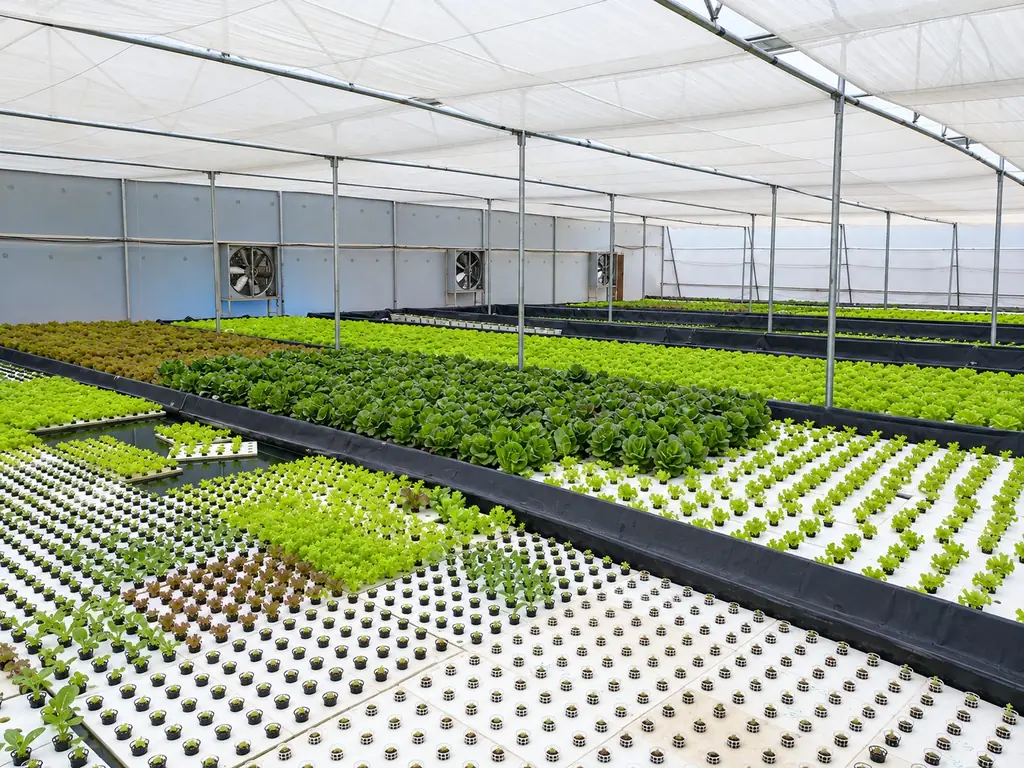
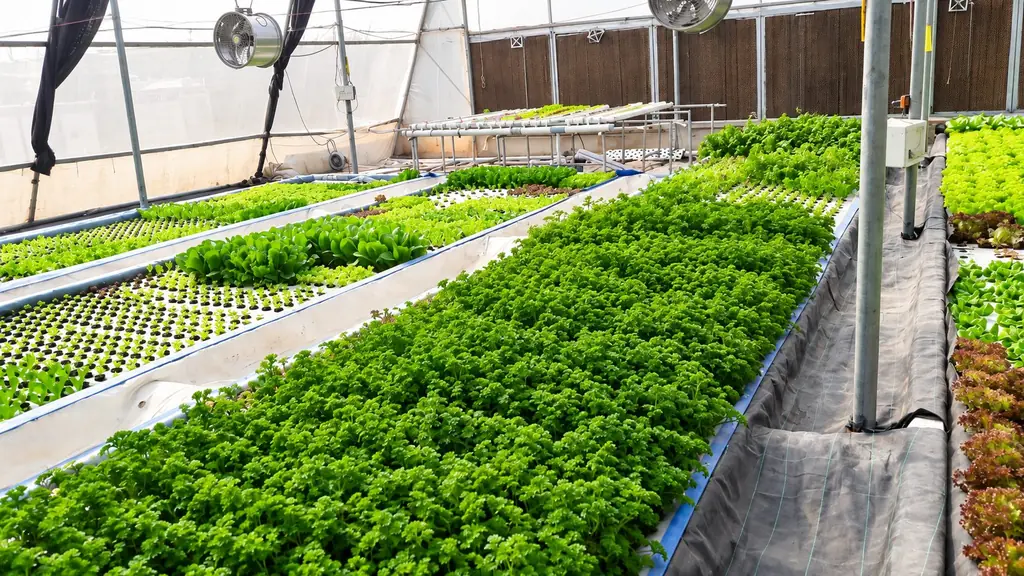
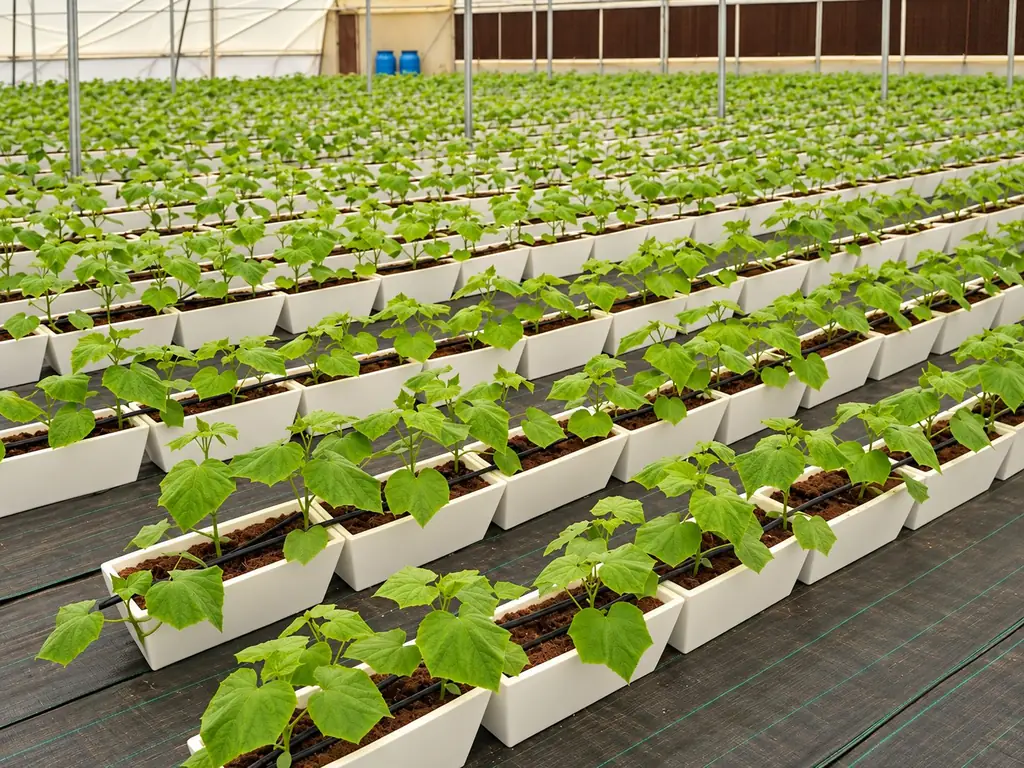
As a rule of thumb, leafy greens and herbs grow in water-based systems such as NFT or deep-water culture, while fruiting crops like cherry tomatoes, cucumbers and berries grow in drip-fed substrate such as cocopeat. We choose the system crop by crop during feasibility.
Many growers start with a trial area of 1,000 to 2,000 sq ft of protected growing space to learn their water, climate and buyers before committing more money. Commercial farms are usually from half an acre upwards, but the right size depends on how much you can reliably sell.
For commercial growing in most of India, yes. A protected structure keeps the nutrient solution and crop out of the summer heat and monsoon rain, keeps pests out and lets you harvest on a schedule. The right structure depends on your climate.
Costs & funding
There is no honest 'per acre' price for a hydroponic farm. Here are the six things that actually set the budget — and how to get a number you can bank on.
· 4 min read
Costs & funding
Subsidies can cover a large share of a polyhouse — but they are calculated on government cost norms, paid after completion and vary by state. Here is how the system works.
· 3 min read
Systems & engineering
The right hydroponic system is decided by your crop and your summer, not by what looks best in a brochure. A practical comparison for Indian growers.
· 3 min read

Crops
Blueberries need acidic roots and the right variety — neither comes naturally in most of India. How commercial growers are making them work.
· 3 min read
Systems & engineering
Most hydroponics content online is written by people selling kits. This one is written by people who grow lettuce and berries for a living.
· 4 min read
Systems & engineering
A polyhouse doesn't make a farm profitable. The crop, the climate fit and the buyer do. Here's how to think about all three.
· 3 min read
Crops
The best hydroponic crop isn't the one with the highest price per kilo. It's the one you can sell every week to the same buyer.
· 3 min read
Crops
India's strawberries are mostly a winter crop from a few hill regions. Protected and soilless growing is how that season gets longer and the fruit gets cleaner.
· 3 min read
Systems & engineering
Vertical farms grow under LEDs; greenhouses use the sun. In a country with India's sunshine and power costs, that difference decides a lot.
· 3 min read