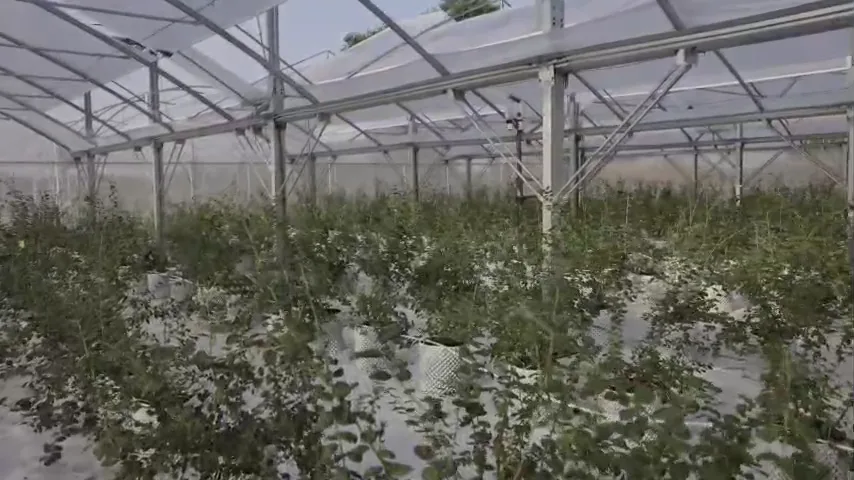
Instrument your farm. Manage it with data instead of guesswork.
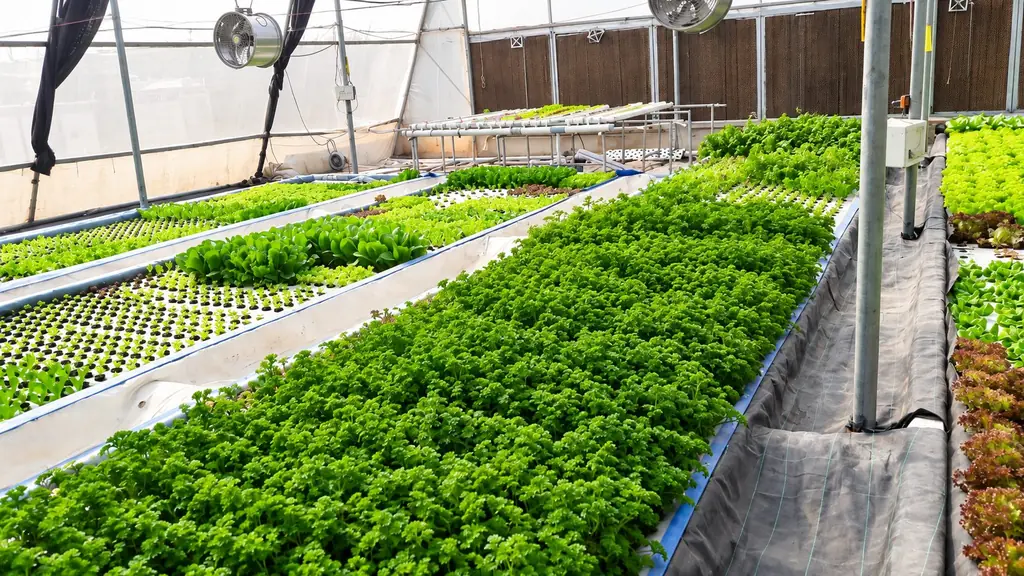
Parsley and lettuce on deep-water beds with NFT racks behind at a Triton Foodworks farm
Who this is for
Farms that want to reduce operator load, track crop performance objectively, or scale without linearly scaling labour.
The problem we solve
Most Indian greenhouses run on manual routines. That works at small scale but breaks down as you add area, crops or shifts.
What's included
Sensor deployment (climate, root-zone, water quality)
Fertigation and irrigation automation
Climate-control integration
Alerts, dashboards and reporting
Retrofit installation for existing facilities
Systems we work with
Climate sensorsEC / pH / DO monitoringAutomated dosingRemote monitoring dashboards
What drives cost
Facility size and number of zones
Number and type of measured variables
Whether we are retrofitting or building fresh
Level of automation vs alert-only
We publish honest cost drivers instead of a headline "starts at" number. Every project is priced from a real site brief.
How we'd run this project
01
Discovery & feasibility
We understand your commercial objectives, target crops, location and budget. We assess feasibility before design work begins.
02
Site & climate assessment
On-site survey of soil, water quality, power, existing structures, microclimate and logistics. Deliverable: a site-suitability report.
03
Engineering & design
Structural, hydroponic, climate-control and automation design tailored to your crop plan and Indian conditions.
04
Installation & commissioning
Managed build with our engineering team. System calibration, first-planting protocols and quality checks before hand-off.
05
Training & ongoing support
Operator training, crop-management SOPs and continued technical support so the facility runs reliably after commissioning.
Common questions
Yes. Retrofits are a core part of this service: we add climate, root-zone and water-quality sensors, automated dosing and alerts to facilities that already run, without rebuilding the structure.
Usually the things that cost the most when they go wrong: nutrient dosing (EC and pH) and climate alerts for temperature and humidity. Irrigation scheduling and dashboards come next. We'll look at what you currently run by hand and suggest what's worth automating first.
No. It takes routine manual checks off your team and gives them data and alerts, but someone still needs to manage the crop day to day. The aim is fewer surprises, not fewer skilled people.