
Agrivoltaics
Which crops grow well under solar panels? A guide for Indian farms
Shade is not the enemy in an Indian summer. The trick is matching the crop to how much light the panels leave behind.
· 4 min read
Solar power above, crops below. Our own project in Nashik, and guides to farming under solar panels.
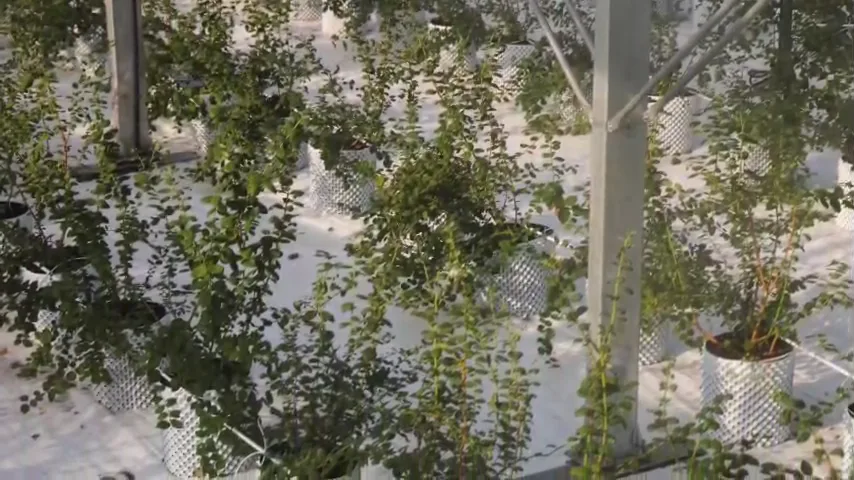
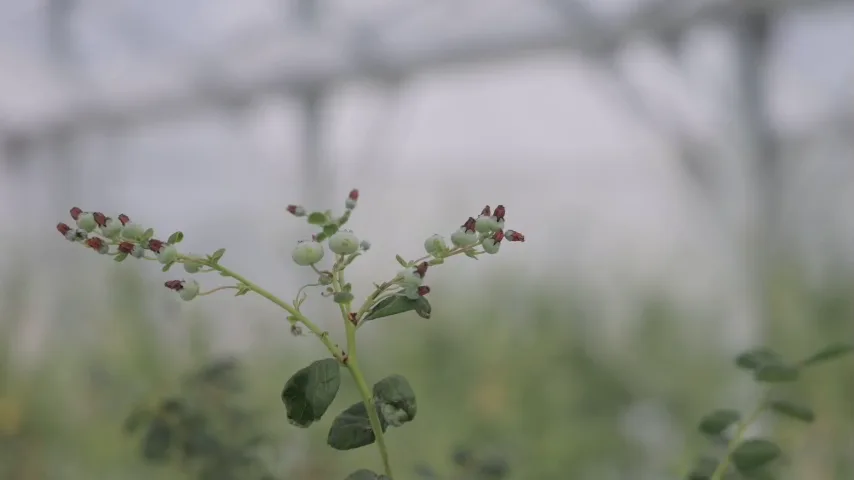
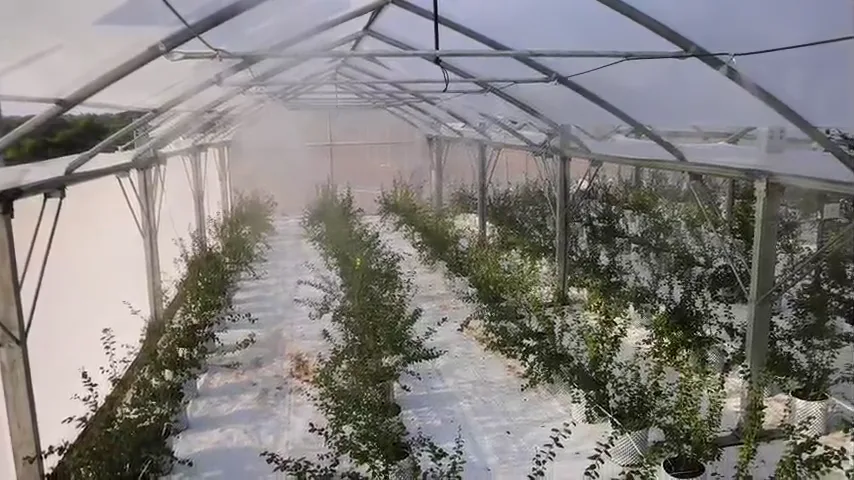
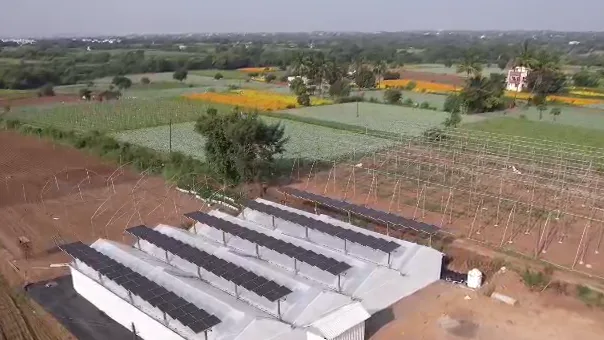
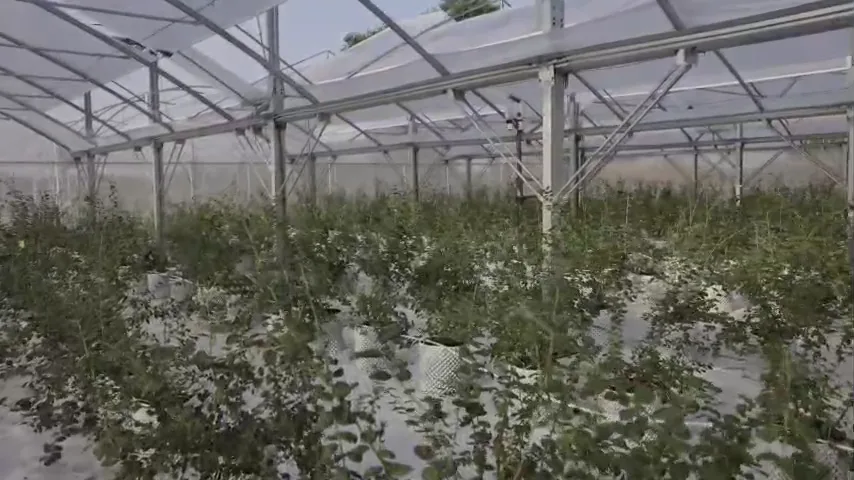
We built an agrivoltaic blueberry greenhouse in Nashik with our partner SunSeed APV. Solar panels are mounted above the polyhouse roof, and blueberries grow in the protected space below. We believe it is India's first agrivoltaic blueberry greenhouse.
Agrivoltaics means generating solar electricity and growing crops on the same land at the same time. In much of India, partial shade from panels can also reduce heat stress and water loss for the right crops. These guides cover what grows under panels, how farmers can earn from solar on their land, how to design a system and how other countries regulate it.
Agrivoltaics
Shade is not the enemy in an Indian summer. The trick is matching the crop to how much light the panels leave behind.
· 4 min read
Agrivoltaics
Leasing land to a solar plant and farming under one are very different deals. Here's how the options compare under PM-KUSUM.
· 3 min read
Agrivoltaics
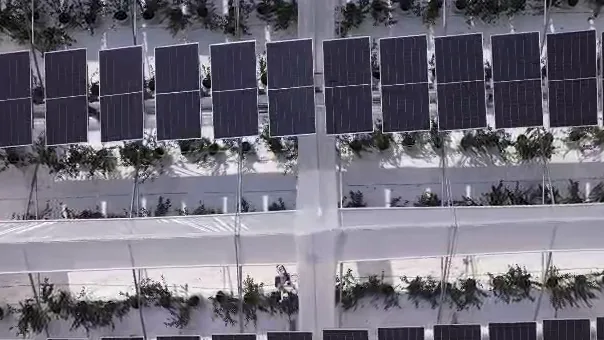
An agrivoltaic plant is a solar plant designed around a farm, not a farm squeezed under a solar plant. These are the choices that make the difference.
· 4 min read
Agrivoltaics
Every country that has scaled agrivoltaics has had to answer one question: how do you stop a solar farm pretending to be a farm?
· 3 min read
Agrivoltaics
Solar panels above, crops below. What Indian agrivoltaic pilots have learned so far — and why we're building one over blueberries.
· 3 min read
Agrivoltaics is producing solar electricity and growing crops on the same land at the same time, with panels raised or spaced so farming can continue underneath.
According to TERI's crop suitability assessment, leafy vegetables, cabbage, spinach, coriander, onion, potato, turmeric, ginger, medicinal herbs, tea, coffee and grapes are among the most suitable. Paddy, sugarcane, coconut and palm are less suitable.
Not a dedicated national one. According to TERI, India has no nationally recognised definition of agri-PV, and projects run under broader schemes such as PM-KUSUM.
Tell us what you're planning — a farm, a greenhouse, a supply arrangement or a retrofit. We'll reply within two working days.