
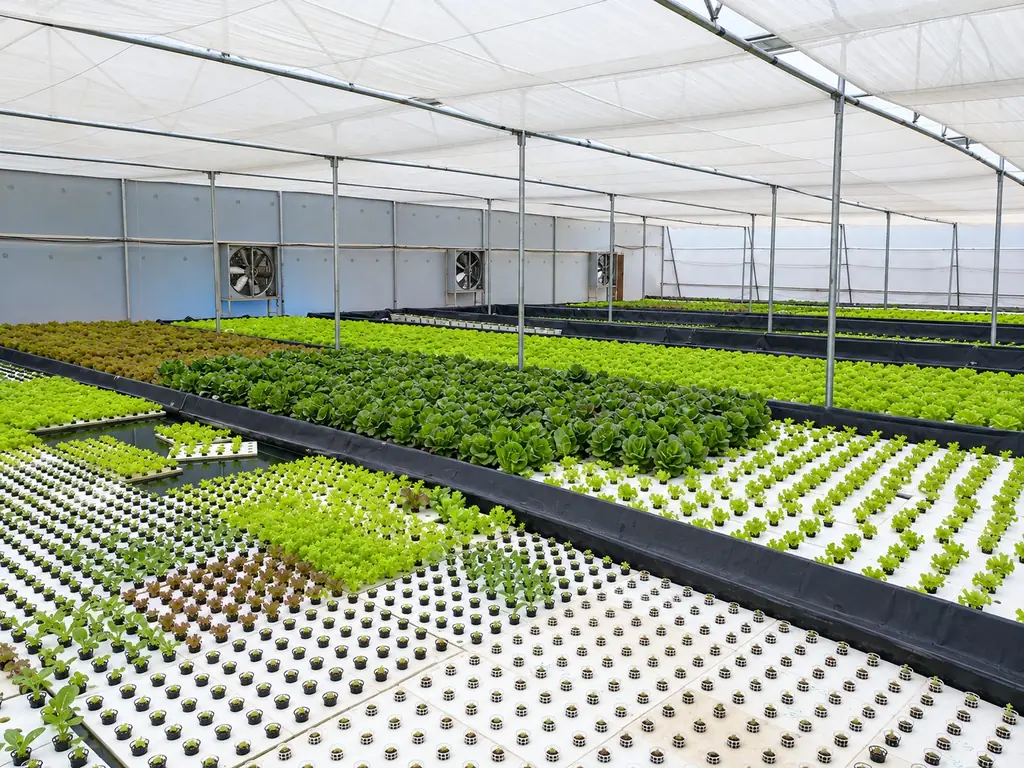
Costs & funding
How much does a commercial hydroponic farm cost in India?
There is no honest 'per acre' price for a hydroponic farm. Here are the six things that actually set the budget — and how to get a number you can bank on.
· 4 min read
Greenhouses engineered for the climate you actually grow in.
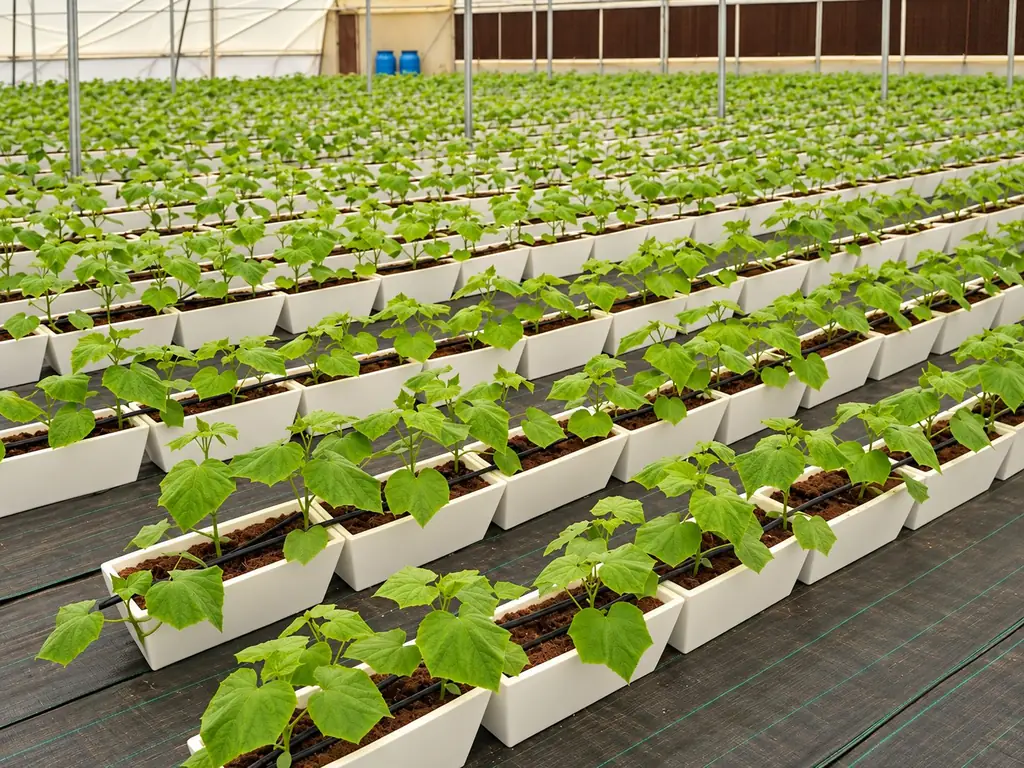
Growers, developers and institutions building new controlled-environment capacity from the ground up.
Generic polyhouse designs perform poorly across India's climate variation. A greenhouse that works in Nashik does not automatically work in Delhi NCR or the coast.
We publish honest cost drivers instead of a headline "starts at" number. Every project is priced from a real site brief.
Protected-cultivation projects can be eligible for capital subsidy under central schemes such as MIDH, administered through the National Horticulture Board and state horticulture departments, and some states add their own support. Eligibility, rates and caps vary by state and structure type and change over time, so confirm with your state horticulture department. We can share the technical specifications and project details an application typically needs.
We understand your commercial objectives, target crops, location and budget. We assess feasibility before design work begins.
On-site survey of soil, water quality, power, existing structures, microclimate and logistics. Deliverable: a site-suitability report.
Structural, hydroponic, climate-control and automation design tailored to your crop plan and Indian conditions.
Managed build with our engineering team. System calibration, first-planting protocols and quality checks before hand-off.
Operator training, crop-management SOPs and continued technical support so the facility runs reliably after commissioning.
Costs & funding
There is no honest 'per acre' price for a hydroponic farm. Here are the six things that actually set the budget — and how to get a number you can bank on.
· 4 min read
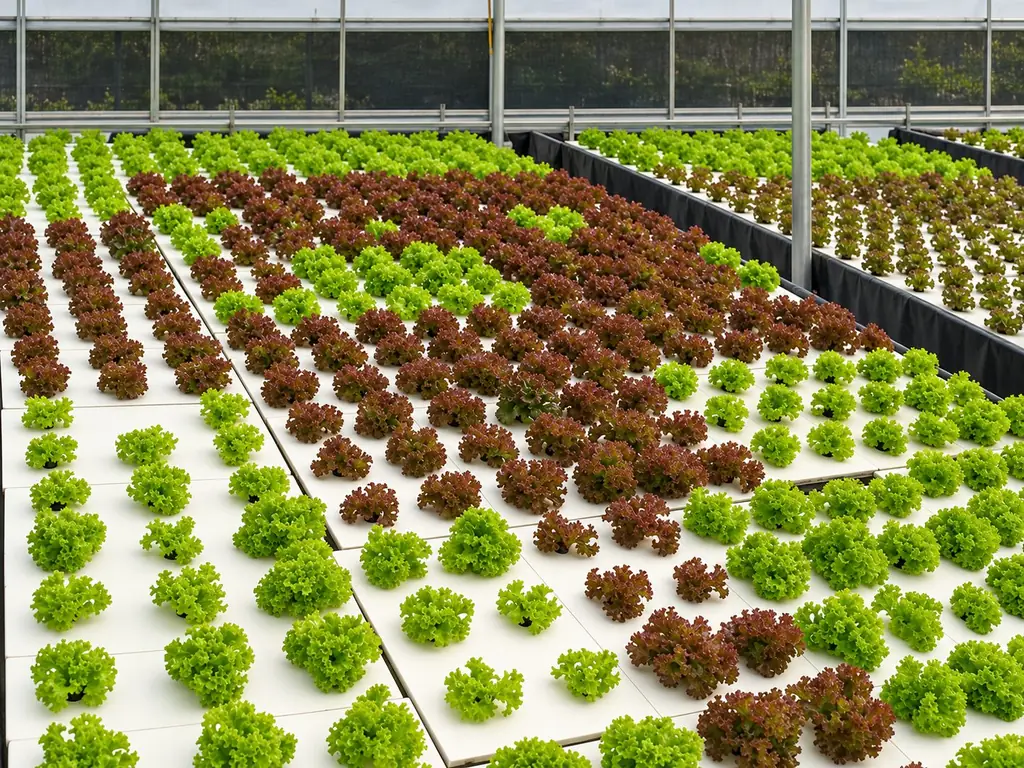
Costs & funding
Subsidies can cover a large share of a polyhouse — but they are calculated on government cost norms, paid after completion and vary by state. Here is how the system works.
· 3 min read
Systems & engineering
A greenhouse that works in Nashik doesn't automatically work in Delhi NCR. How to choose between fan-and-pad cooling and natural ventilation for your climate.
· 3 min read

Crops
Blueberries need acidic roots and the right variety — neither comes naturally in most of India. How commercial growers are making them work.
· 3 min read
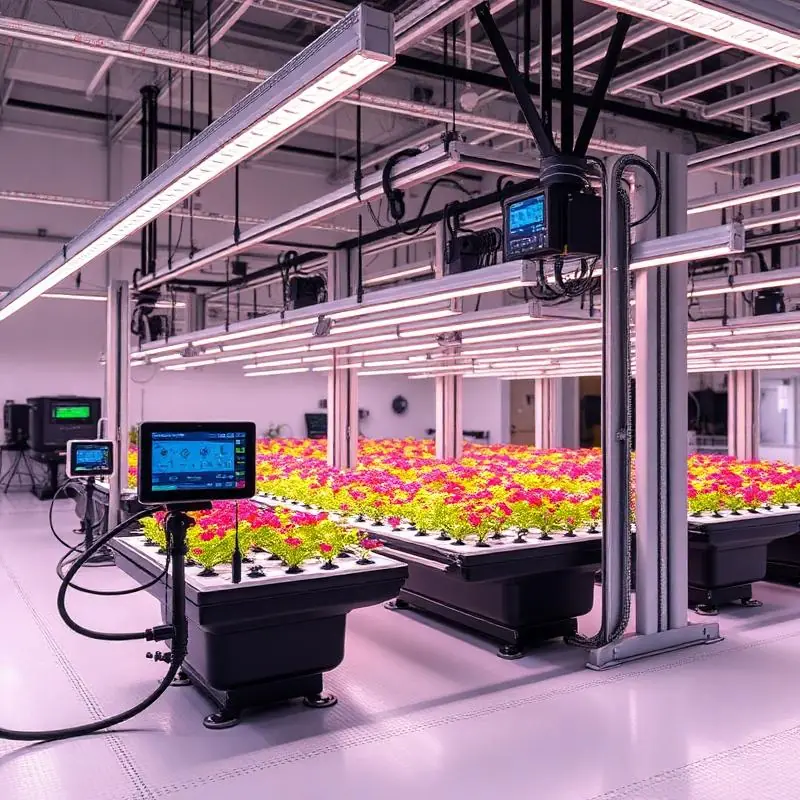
Agrivoltaics
Solar panels above, crops below. What Indian agrivoltaic pilots have learned so far — and why we're building one over blueberries.
· 3 min read
Systems & engineering
Most hydroponics content online is written by people selling kits. This one is written by people who grow lettuce and berries for a living.
· 4 min read
Systems & engineering
A polyhouse doesn't make a farm profitable. The crop, the climate fit and the buyer do. Here's how to think about all three.
· 3 min read
Crops
India's strawberries are mostly a winter crop from a few hill regions. Protected and soilless growing is how that season gets longer and the fruit gets cleaner.
· 3 min read
Systems & engineering
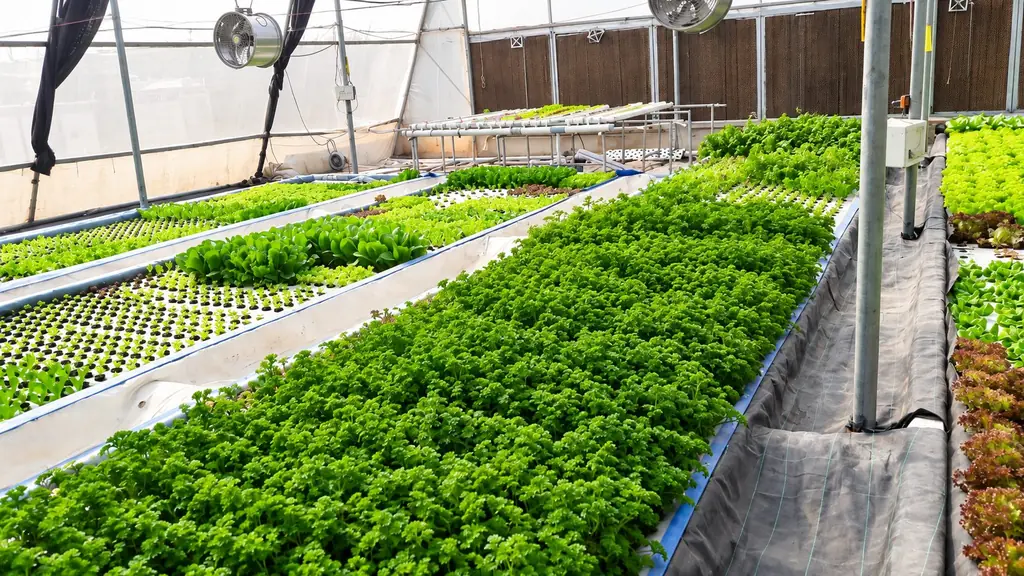
Vertical farms grow under LEDs; greenhouses use the sun. In a country with India's sunshine and power costs, that difference decides a lot.
· 3 min read

Agrivoltaics
Shade is not the enemy in an Indian summer. The trick is matching the crop to how much light the panels leave behind.
· 4 min read
Agrivoltaics
Leasing land to a solar plant and farming under one are very different deals. Here's how the options compare under PM-KUSUM.
· 3 min read
Agrivoltaics
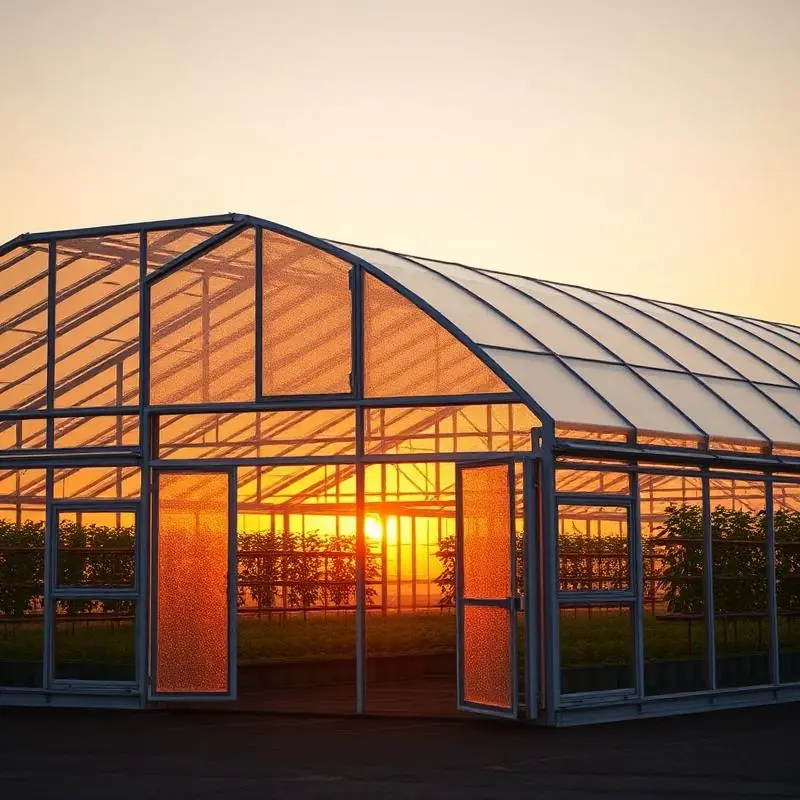
An agrivoltaic plant is a solar plant designed around a farm, not a farm squeezed under a solar plant. These are the choices that make the difference.
· 4 min read
Agrivoltaics
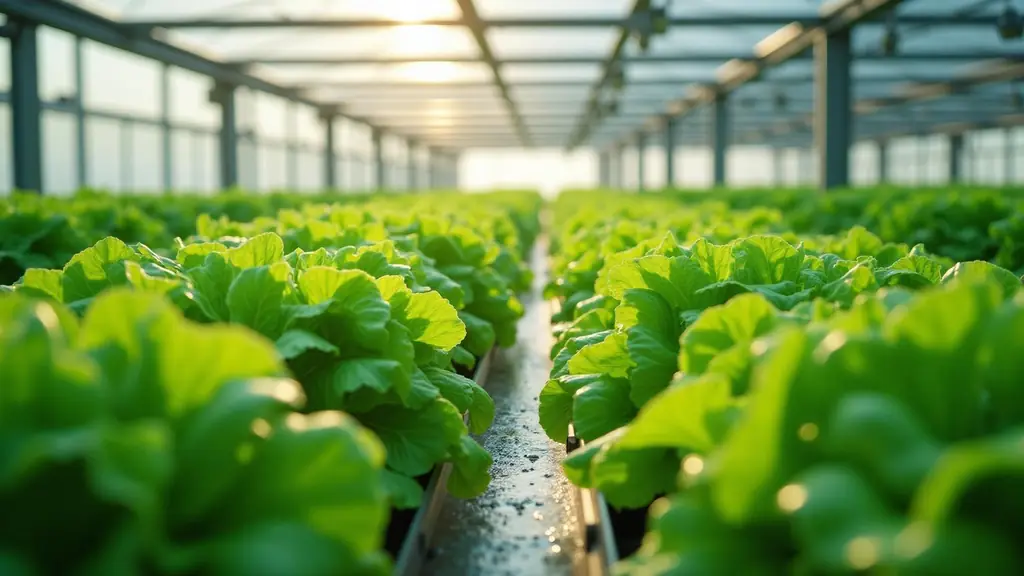
Every country that has scaled agrivoltaics has had to answer one question: how do you stop a solar farm pretending to be a farm?
· 3 min read